Light switches are not something most people think about, until a cheap one wobbles loose, or until a villa needs one that can also talk to a KNX smart-home system. JUNG is the German manufacturer behind the switches, sockets and KNX devices Dedott supplies for smart-wiring projects across the Middle East. Here is who they are, what they make, and why the details matter.
Photos on this page: JUNG (Albrecht Jung GmbH & Co. KG), used with permission.
1912
Founded by Albrecht Jung in Schalksmühle, Germany
1968
LS 990 flat switch launched, still made today
63 colours
Les Couleurs® Le Corbusier® original palette
1999
KNX Association founded, a milestone in JUNG’s own history
1,700+
Employees, working across around 80 countries
Over a Century of German Switch Manufacturing
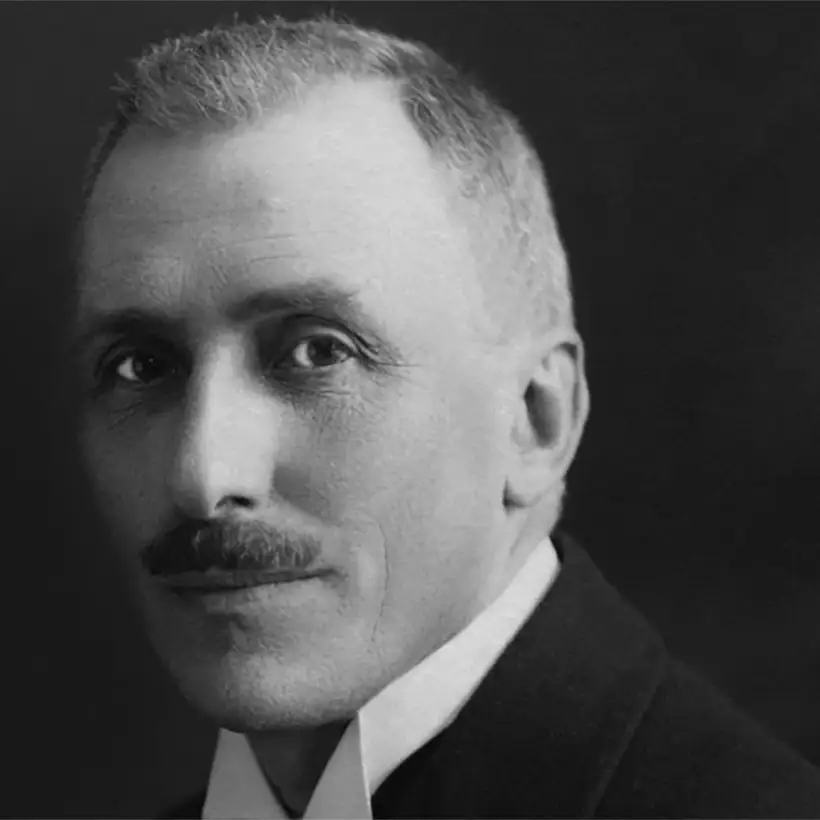
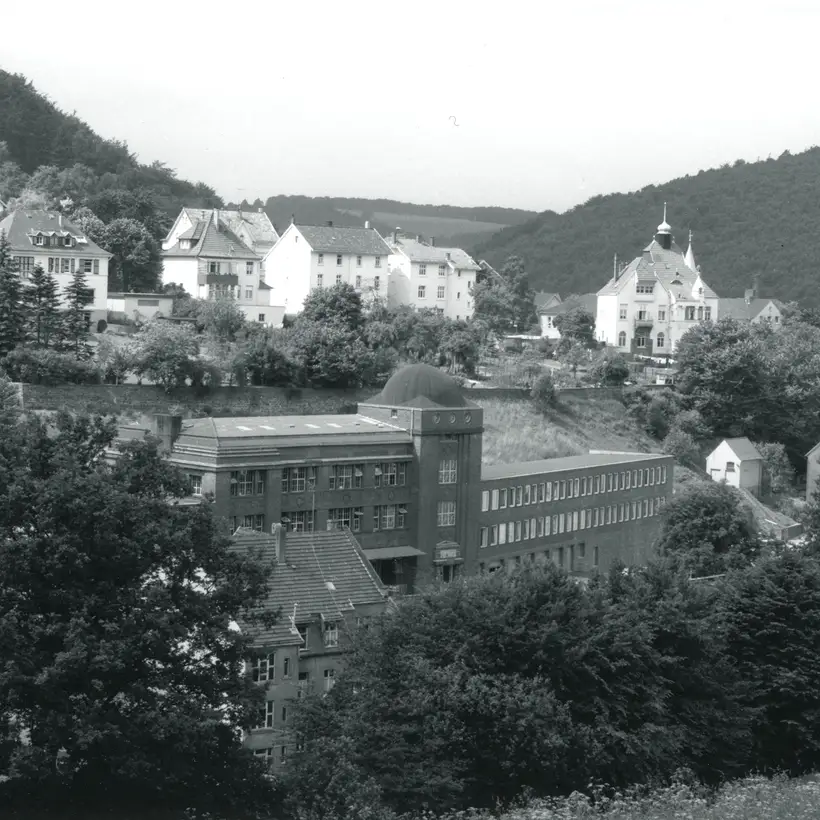
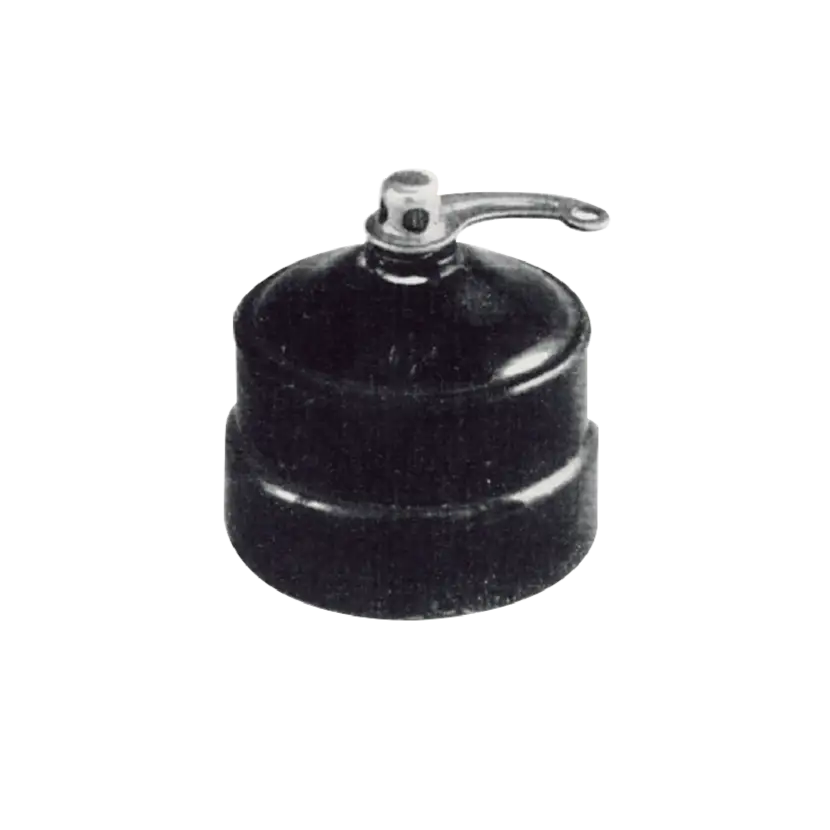
JUNG was founded in 1912 by Albrecht Jung, in Schalksmühle in western Germany, where the company is still based. Its first product was a pull-cord switch built around a one-eighth-turn mechanism, and that short, deliberate switching movement has stayed at the heart of JUNG's designs ever since.
It remains a family business. Albrecht's son Siegfried took over in the early 1960s, and his grandson Harald led the company from 1993 to 2020 and is now Chairman of the Supervisory Board. JUNG says the business has passed through four generations of the founding family. Today it employs more than 1,700 people and operates in around 80 countries.

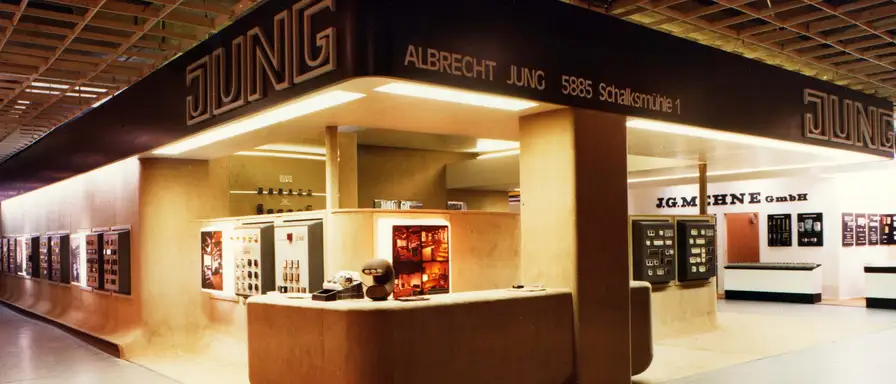
Milestones That Shaped the Range
- 1912Albrecht Jung founds the company and launches the pull-cord switch.
- 1968The flat LS 990 switch enters the market.
- 1999The KNX Association is founded, an event JUNG lists in its own company history.
- 2007KNX Touch Panel.
- 2010KNX compact room controller.
- 2014The eNet Alliance is founded.
- 2018LS 1912 is introduced.
- 2019A FLOW is introduced.
- 2021KNX Smart Panel 8.
- 2022KNX RF (wireless) push-button.
The LS Family: Design Classics
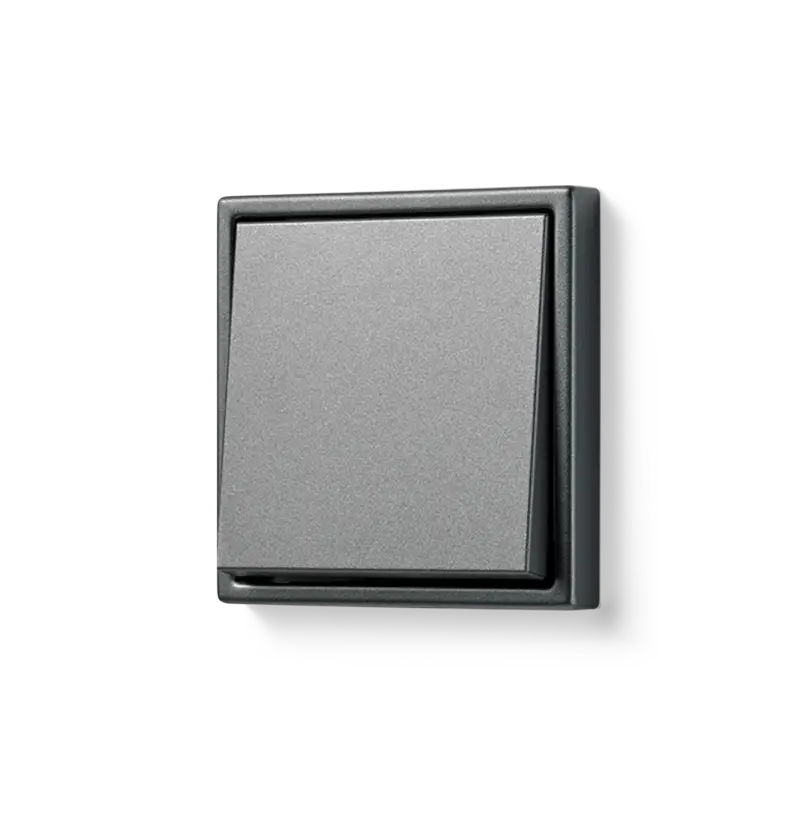
JUNG's reputation with architects and interior designers rests largely on the LS 990, a flat, flush switch launched in 1968 and still made today. It disappears into a wall instead of interrupting it, which is why it is so often specified for villas where every visible detail is judged against the architecture. It comes in metal and plastic finishes, as well as the colours below.
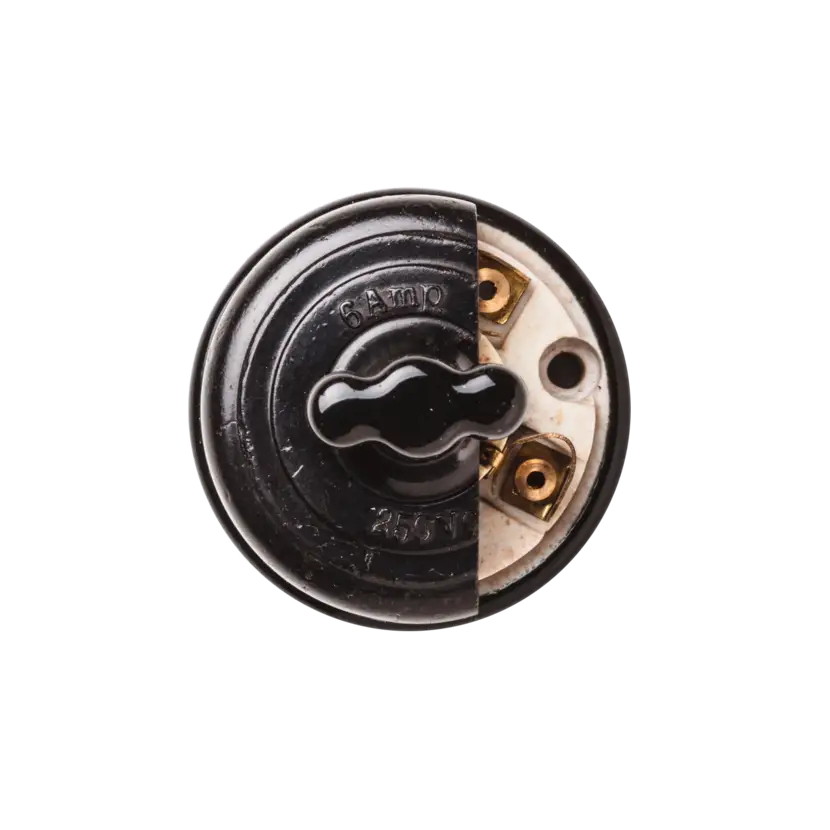
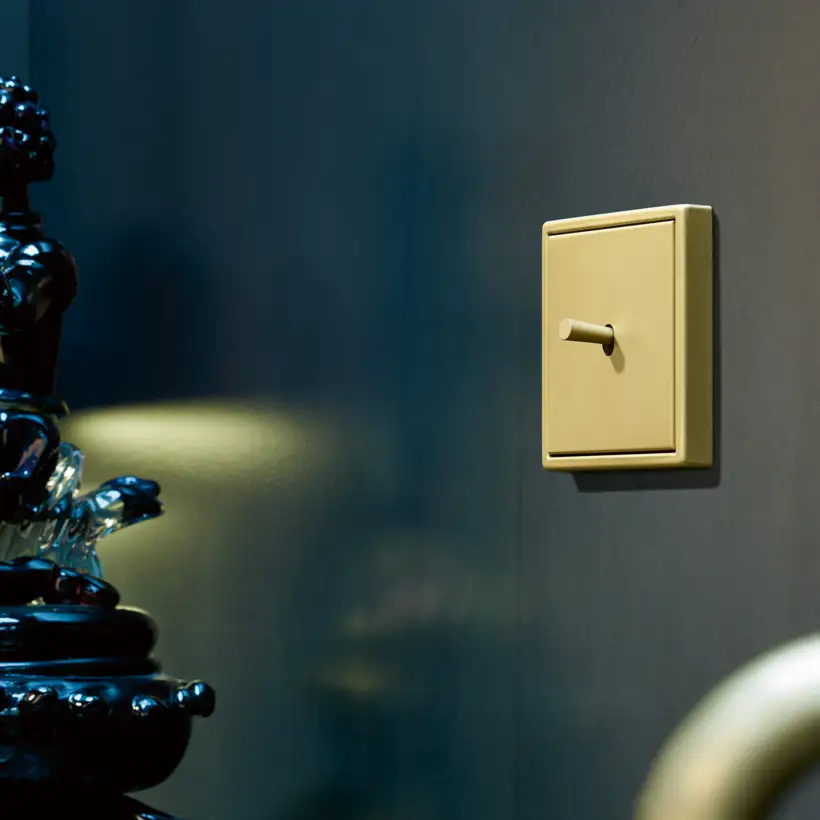
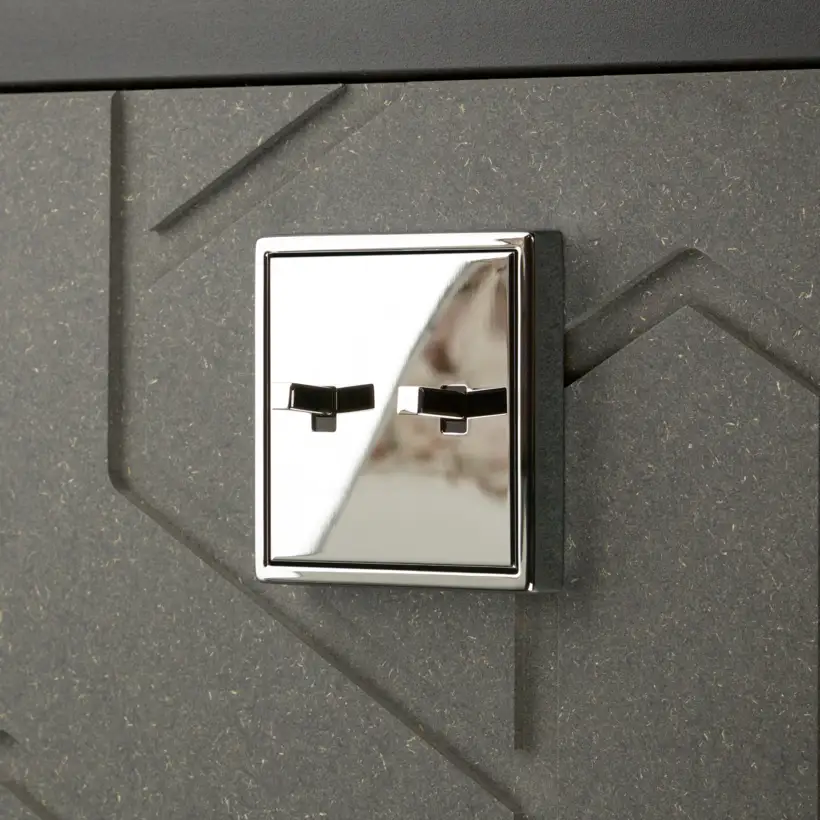
Its sibling, the LS 1912, arrived in 2018 with a classic toggle lever in finishes such as brass, chrome and matt graphite, for interiors with a more traditional or industrial character.
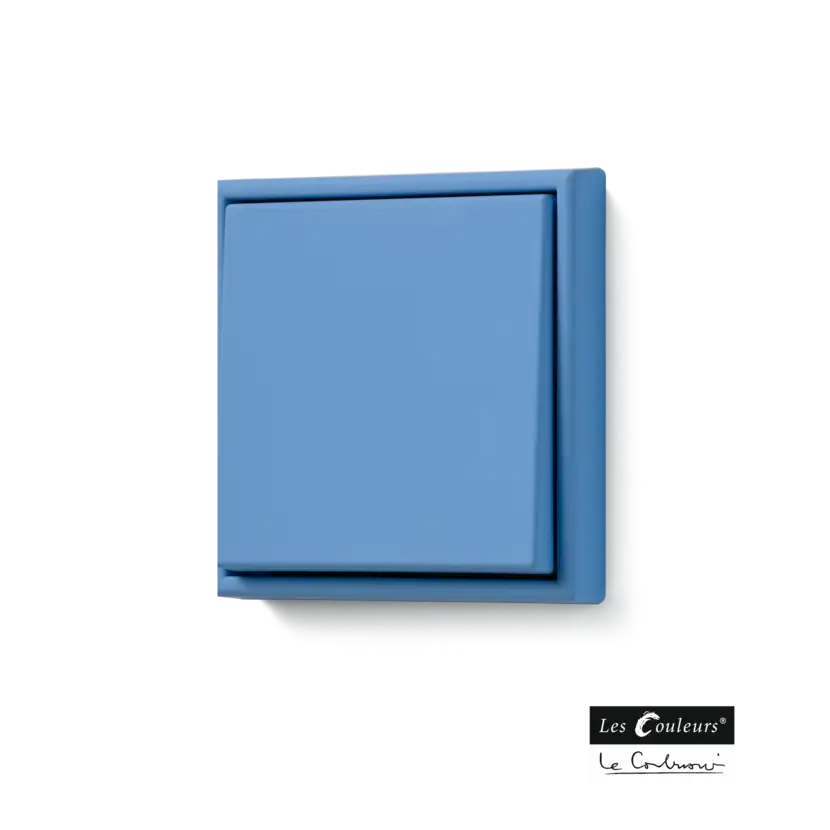
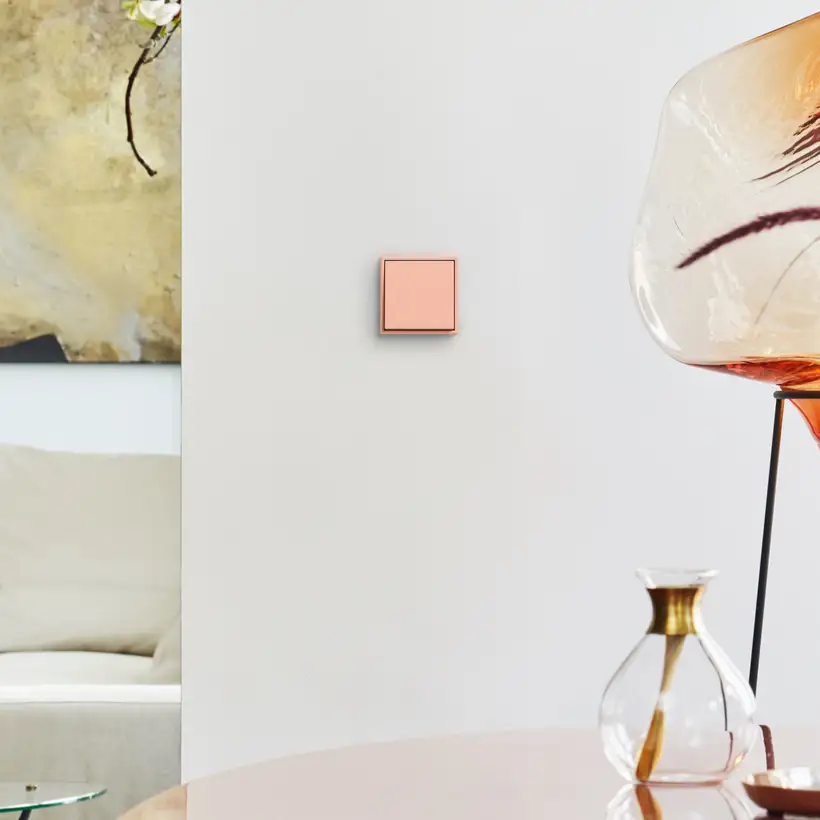
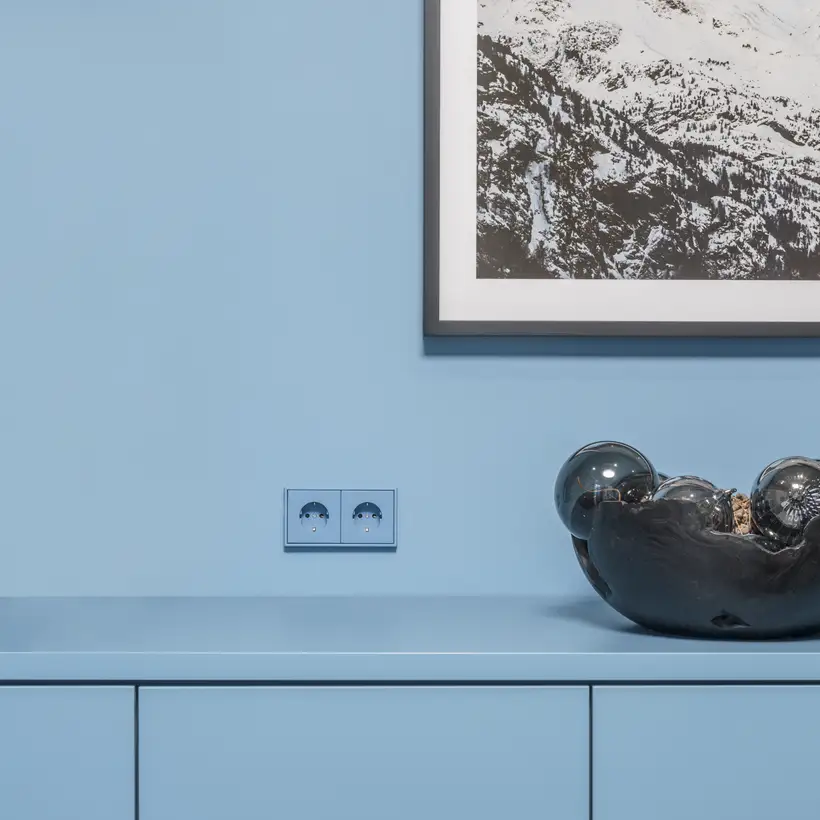
63 Colours: Les Couleurs® Le Corbusier®
JUNG is the only manufacturer that offers light switches, sockets and controls in all 63 original colours of Les Couleurs® Le Corbusier®, a palette tested and approved by the licensor, Les Couleurs Suisse AG. The architect Le Corbusier created his first palette in 1931, with 43 colours in 14 series, and extended it in 1959 with 20 more intense colours. JUNG's switches in these colours are hand-lacquered for a matt surface and come in frames from one to five gangs.
For a villa or boutique hotel, this is the difference between a switch that blends in and a switch that is part of the colour scheme.
The A Series: Many Materials, Many Moods
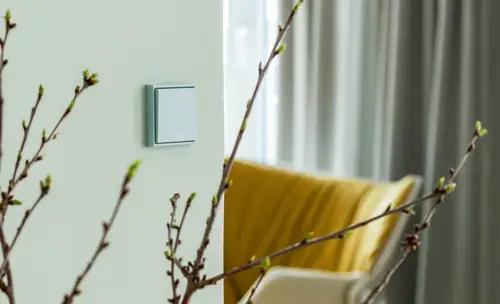
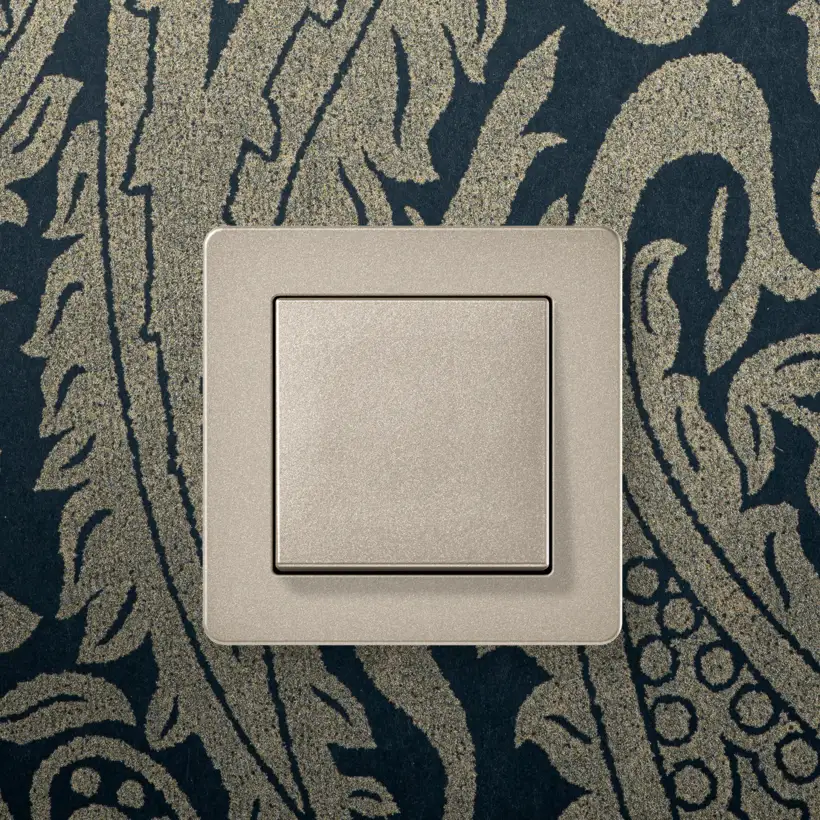
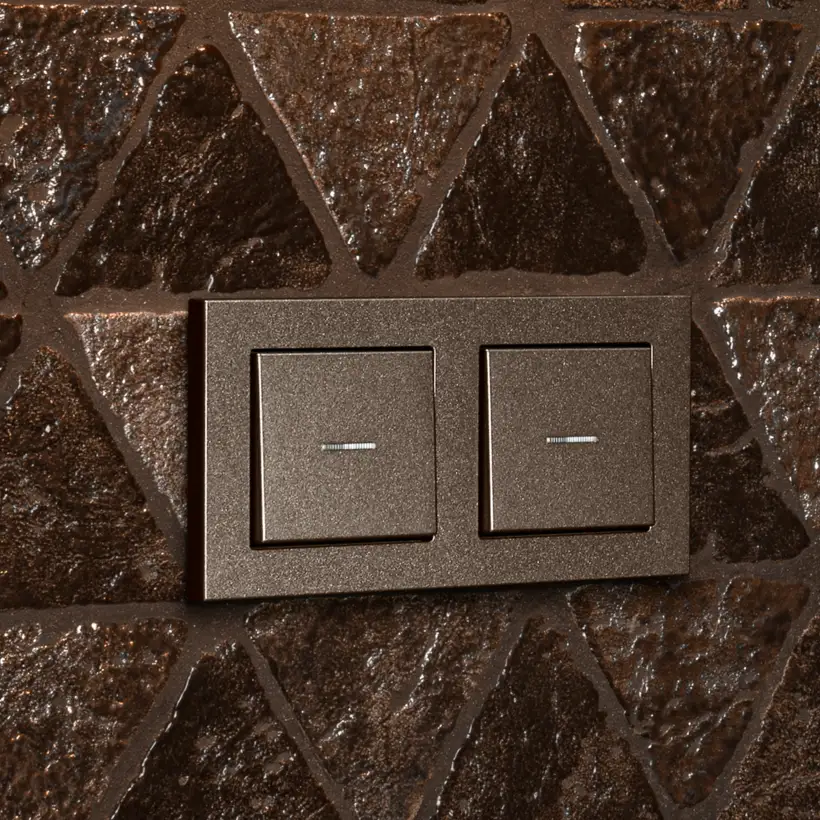
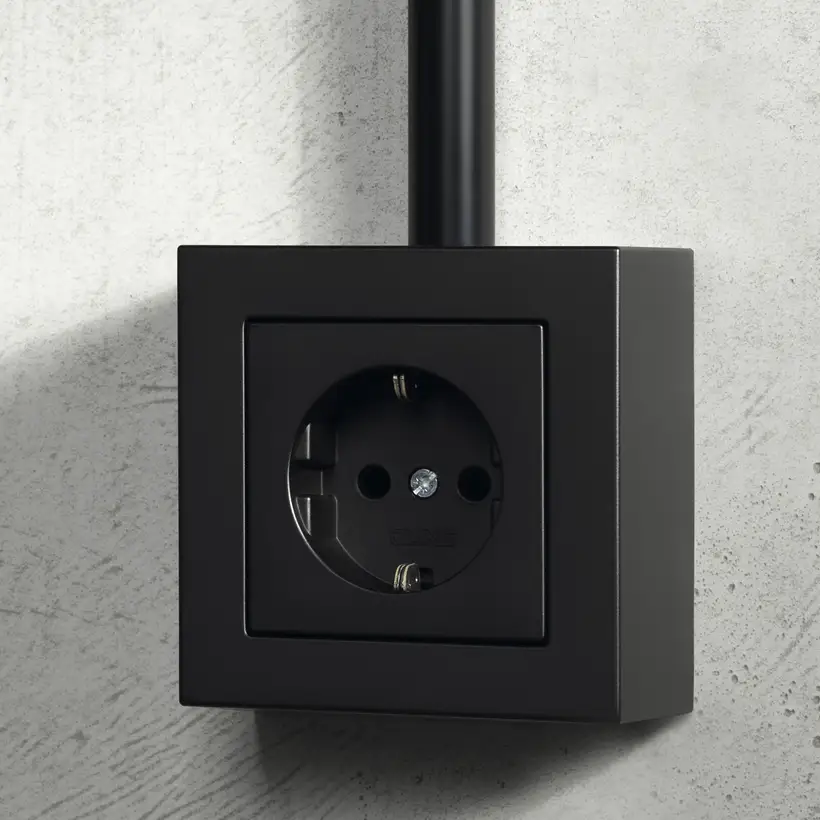
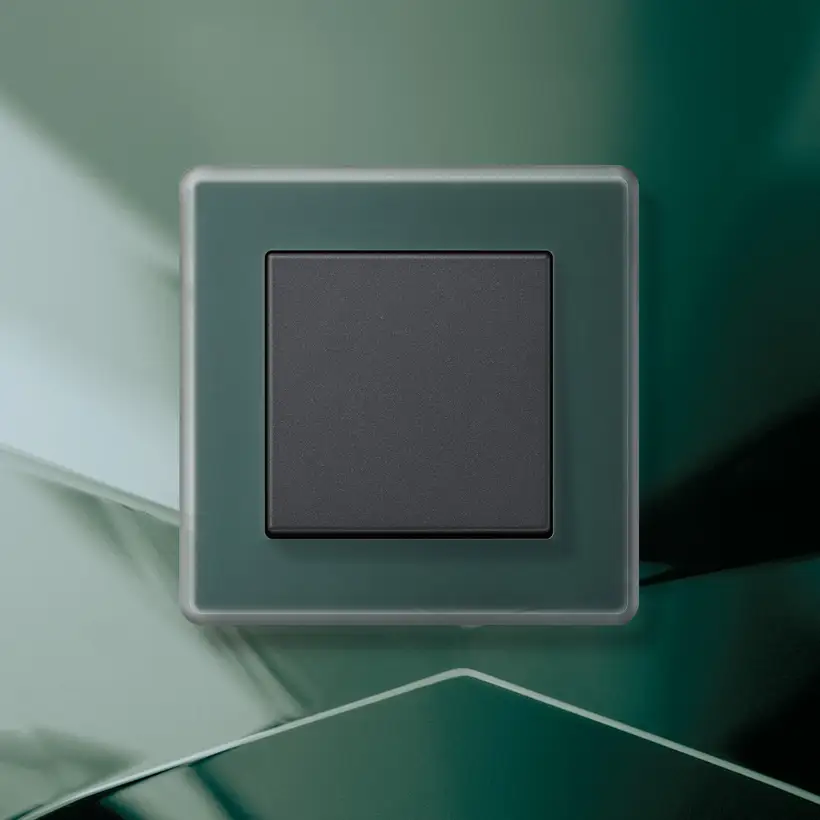
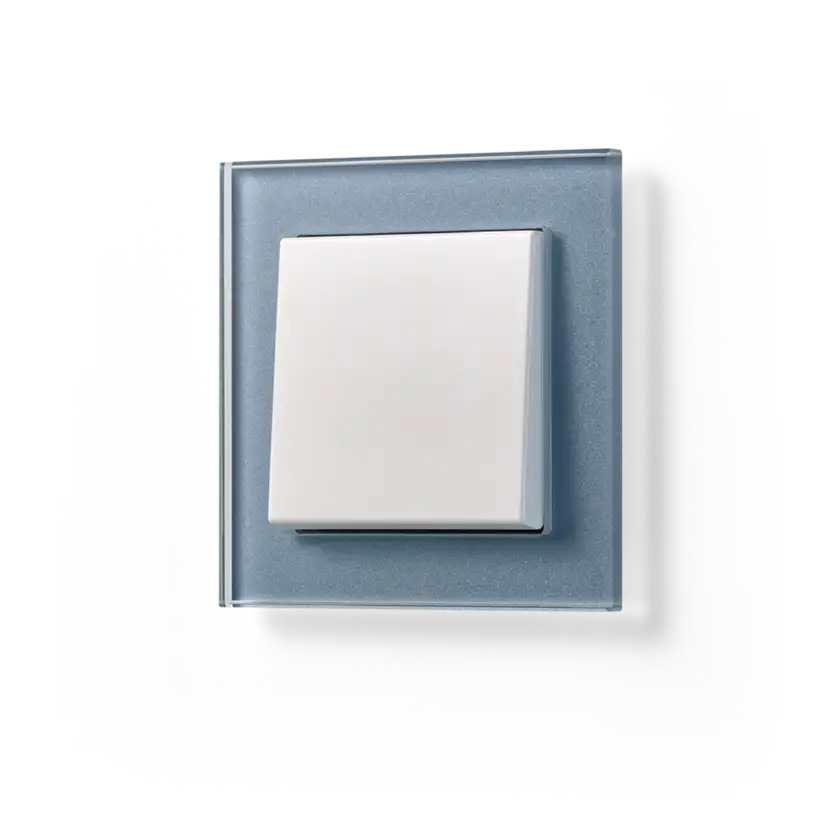
Alongside the LS family sits the A series, built for interiors that want a more contemporary character. It spans matt lacquer (A FLOW), aluminium and thermoplastic frames (A 550), a cubic graphite design (A CUBE), a tinted, coloured look (A VIVA) and glass or plastic (A CREATION). The point is not one look: it is a consistent standard of finish, so each switch reads as a deliberate material choice for the room.
Where KNX Comes In
JUNG's switches are not limited to on and off. The company has built towards smart-building control for decades: a KNX Touch Panel in 2007, a compact room controller in 2010, the KNX Smart Panel 8 in 2021 and KNX RF wireless push-buttons in 2022. Its KNX push-buttons, such as the F 10, F 40 and F 50, and its motion detectors sit on the same KNX bus as lighting, shading, heating and security, so one system controls everything instead of a separate switch for every function.
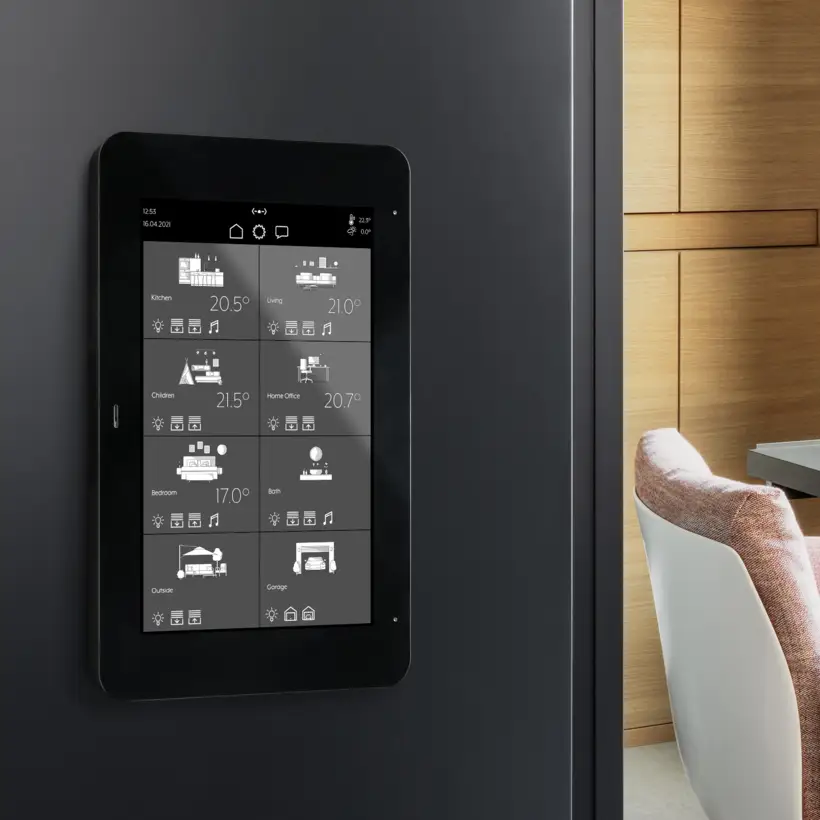
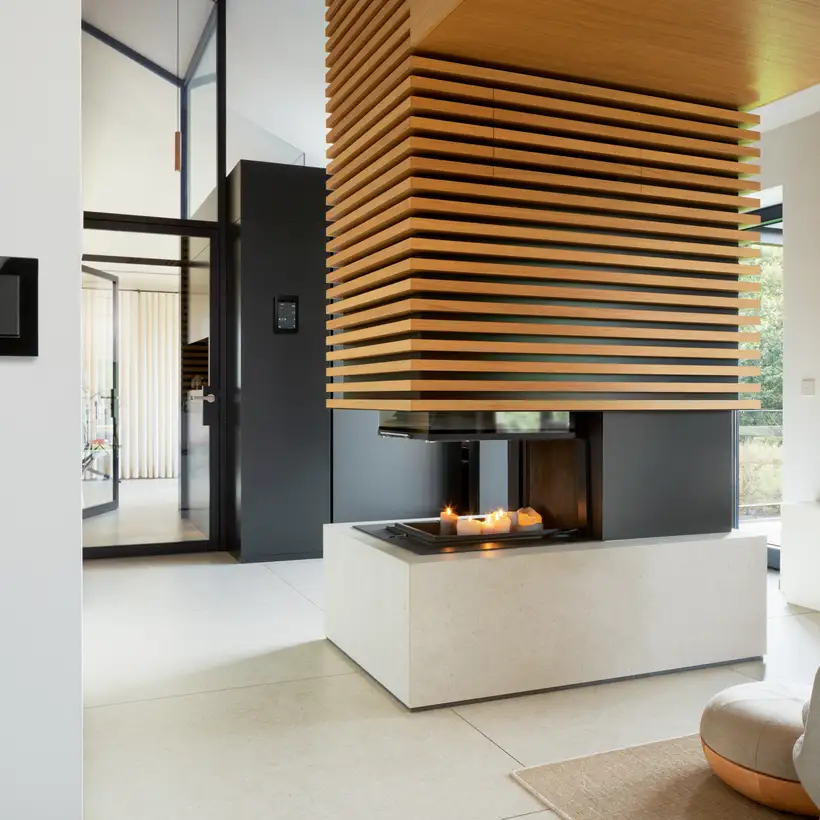
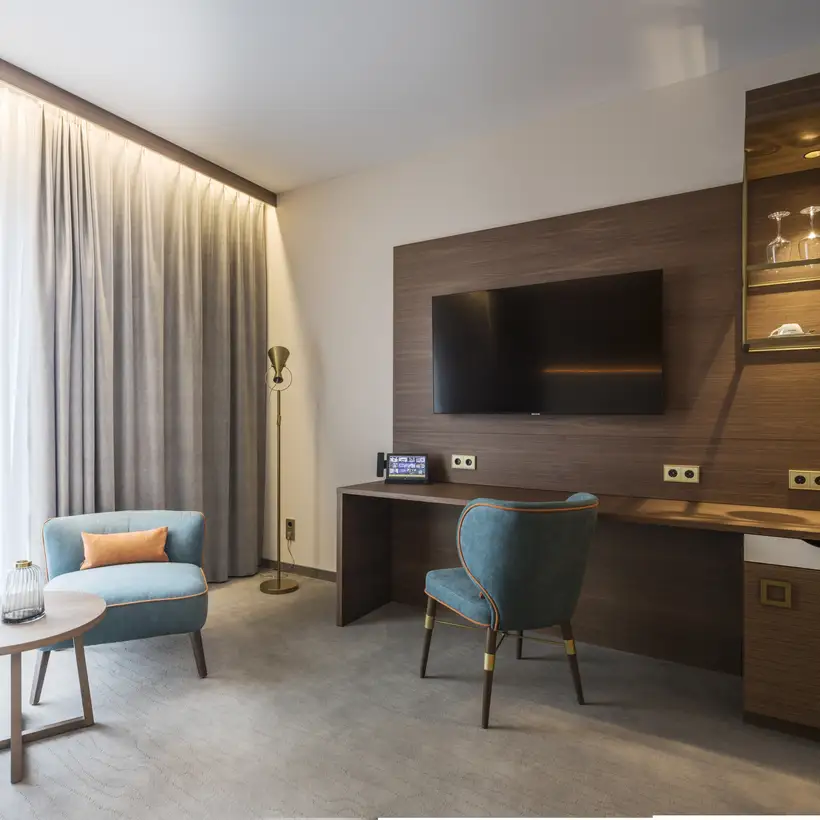
Switches vs. KNX devices, the distinction that matters: a standard JUNG switch range (LS 990, A series and so on) is a design and build-quality upgrade over a generic plate, and needs no KNX bus. A JUNG KNX device is a bus-connected sensor or actuator that only does something once it is part of a KNX installation. Villas often mix both: design-led switches in rooms that do not need automation, KNX devices where lighting, shading or climate scenes are genuinely automated. Our KNX distributor page explains how we plan these systems.
Why Dedott Supplies JUNG
Dedott is an authorised JUNG distributor for the Middle East because a smart-wiring project depends on two things JUNG does well: switches that still feel right after a decade of daily use, and KNX devices from a company that has been building them for well over a decade. We help you choose the range and finish, plan the KNX layout, and pair it with audio from Artsound and control from ComfortClick. See the full JUNG range we offer, or read how Artsound integrates with home automation.
FAQ
Is JUNG just a switch brand, or does it make full smart-home systems?
Both. JUNG's core range is switches, sockets and wiring accessories, including design classics like the LS 990. It also builds KNX building-technology devices (push-buttons, panels, sensors) and its own control systems: JUNG HOME, a simple system that needs no server, eNet for wireless control, and LB Management for light, shading and temperature.
Do I need a KNX system to use JUNG switches?
No. A standard JUNG switch range works as an ordinary high-quality wall switch or socket. KNX functions only apply to JUNG's KNX devices, which must be connected to a KNX bus to do anything beyond acting as a plain control.
How long has JUNG been making switches?
Since 1912, when Albrecht Jung founded the company near Schalksmühle, Germany, where it is still based. JUNG describes itself as a family business that has passed through four generations of the founding family, and the company today employs more than 1,700 people.
What is the difference between LS 990 and JUNG's KNX devices?
LS 990 is a flat switch design launched in 1968, available in metal, plastic and the Les Couleurs® Le Corbusier® colours. It is about look and build quality. JUNG's KNX devices are a different category: bus-connected push-buttons, panels and sensors made to work inside a KNX smart-building system. Many KNX push-buttons are offered in the same design ranges, so the look can match.
Who supplies JUNG products in the UAE?
Dedott FZCO is an authorised distributor of JUNG for the Middle East. We help with choosing ranges and finishes, KNX planning and quotations. Stock and lead times vary by range and finish, so tell us your project and we will confirm what we can supply.