Most people's first experience of "multiroom audio" is a shelf of separate Bluetooth speakers — one in the kitchen, one in the bedroom, maybe a soundbar in the living room — each controlled from its own app, none of them aware the others exist. A multiroom sound system replaces all of that with one system, one app, controlling every room from a single screen.
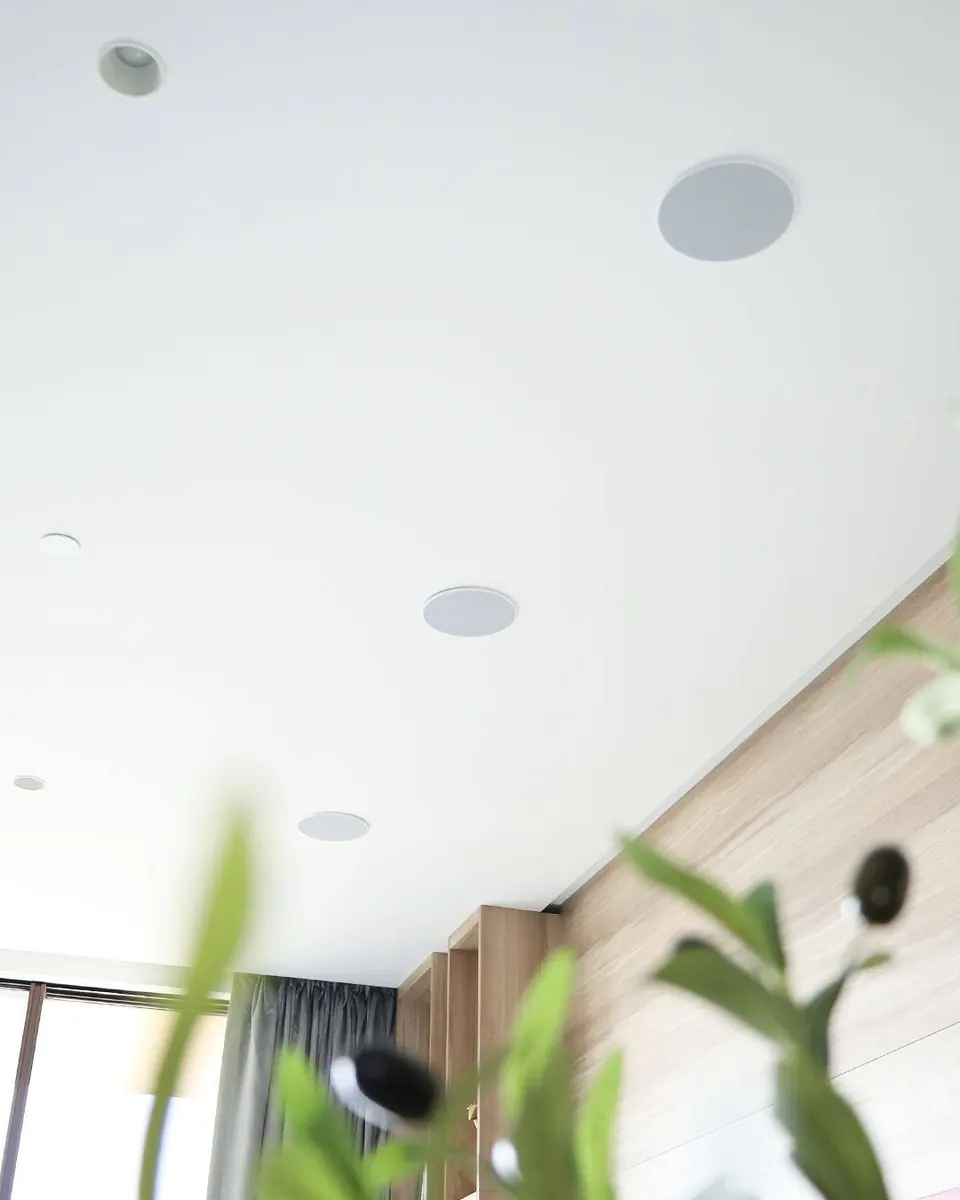
One system, every room — in-ceiling speakers controlled from a single app rather than a shelf of standalone units.
What a Multiroom Sound System Actually Does
A collection of standalone Bluetooth speakers can't do any of this. A real multiroom system can:
- Group any combination of rooms together on demand — living room and terrace together, bedroom on its own.
- Keep audio in sync across rooms, with no lag or echo between spaces.
- Play something different in each zone — the majlis on one playlist, the kitchen on the radio, the garden silent.
- Do all of this from one app, not a separate app or remote per speaker.
The Artsound Way: Smart Family & the Artsound Mobile App
Artsound's own multiroom range is called Smart Family, and every unit in it is controlled through Artsound's mobile app on iOS and Android:
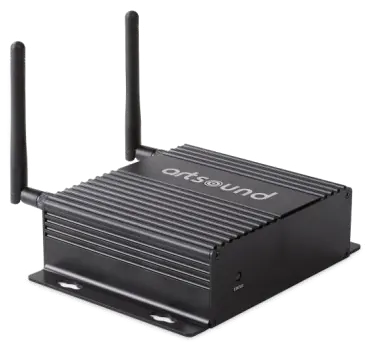
- Smart Stream — a compact streaming preamp that turns an existing amplifier into a networked multiroom source.
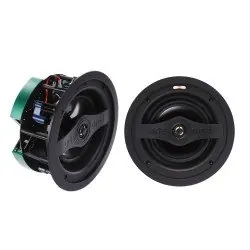
- SMART IN — active in-ceiling speakers with the streaming amplifier built directly into the housing, so a room gets multiroom audio without a separate amp or preamp at all.
- Smart Hyde & Smart Zone 4 — additional Smart Family units for expanding the system room by room.
Every unit streams from the same sources — Spotify Connect, Tidal, Qobuz, Deezer, internet radio, Bluetooth 5.0, and AirPlay — and any combination of them links into one system through the mobile app. No new cabling beyond power and a network connection.
Wireless Streaming vs. a Fully Wired Installed System
Smart Family connects over your home Wi-Fi rather than dedicated speaker cabling — easy to add to a property that's already built. For a new-build villa or a commercial project with many zones, Dedott typically specifies a fully wired system instead:
- Smart Family (wireless): no new cabling, quick to add to an existing property, best for a handful of zones.
- Installed system (wired): in-ceiling or in-wall speakers run back to a central amplifier — more planning up front, but scales cleanly to a dozen zones or more without leaning on a home Wi-Fi network.
- Either way: can be built on an automation-compatible platform, so audio sits in the same interface as lighting and shading.
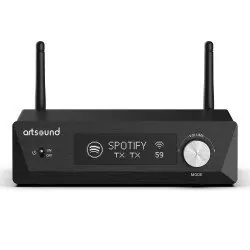
A central multiroom amplifier — the backbone of a fully wired, whole-property system.
Whichever route you take, the app matters as much as the speakers. Some multiroom systems on the market are built entirely around a single company's cloud service — if that service changes or is discontinued, the whole-home experience can collapse back to controlling each speaker on its own. Choosing a system from a manufacturer with a stable, dedicated app and a long product history is worth weighing alongside sound quality.
Bluetooth Speakers vs. Wireless Multiroom vs. Installed Systems
Standalone Bluetooth Speakers
No real grouping, no sync, each speaker paired and controlled on its own. Fine for one room, not a system.
Artsound Smart Family (Wireless)
Genuine multiroom grouping and streaming over Wi-Fi via the Artsound mobile app — streamers like Smart Stream or active SMART IN speakers, no cabling needed beyond power.
Installed Multiroom System
Wired to a central amplifier, built for whole-property or commercial-speakers scale, and can share a control interface with lighting and shading.
Where This Actually Matters
- Apartment or existing property: Artsound's Smart Family range is often genuinely enough — no new cable needed.
- Villa with a majlis, multiple living areas, a garden, and a pool deck: a fully wired installed system tends to hold up better over years of daily use.
- Restaurant, retail floor, or hotel: reliable background music across several zones is usually the deciding factor for commercial speakers — not which speaker sounds best in isolation, but which control layer will still work in five years.
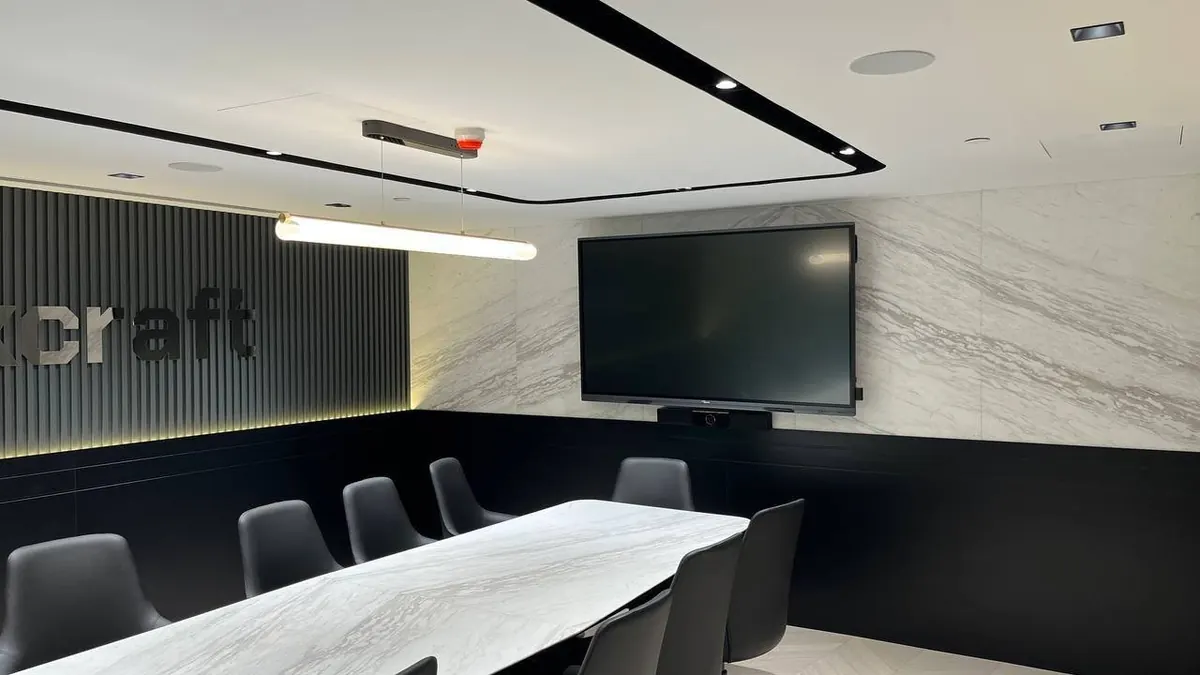
Commercial spaces need the same one-app control as a villa, just across more zones.
Planning a system of your own? See our villa multi-zone planning guide or browse the full Artsound speaker range we distribute.
FAQ
What is the Artsound Smart Family multiroom system?
Smart Family is Artsound's own wireless multiroom range — Smart Stream, Smart Hyde, Smart Zone 4, and the SMART IN in-ceiling speakers — controlled through Artsound's mobile app on iOS and Android. It streams from Spotify Connect, Tidal, Qobuz, Deezer, internet radio, Bluetooth, and AirPlay, and links multiple rooms into one system without any new cabling.
Do I need special wiring for a multiroom sound system?
It depends on the type. Artsound's Smart Family range needs no wiring beyond power — each unit connects over your home Wi-Fi and is managed through the Artsound mobile app. A fully installed multiroom system uses in-ceiling or in-wall speakers run back to a central amplifier, which does need cabling, ideally planned before walls are closed. The trade-off is that a wired, installed system scales to far more zones without straining a home network.
What happens to a multiroom system if the app it depends on changes or is discontinued?
This is a real risk with any multiroom system built entirely around one company's cloud service — if that service changes or is retired, the whole-home experience can be reduced to controlling each speaker individually. It's one more reason to choose a system from a manufacturer with a stable, dedicated app and a long product history, and to plan the control layer as carefully as the speakers themselves.
Can a multiroom sound system control lighting and shading too?
Yes, if it's built on an automation-compatible platform. Dedott's installed systems can sit alongside JUNG's KNX wiring and ComfortClick's bOS platform, so audio zones are controlled from the same interface as lighting and shading rather than a separate, standalone app.